

Just one more tool, and the problem will be sorted.
Many companies mistakenly believe this will solve their security problems. But what really happens? Each new cybersecurity tool adds its own data stream, generates more security alerts, and introduces another dashboard. Instead of increasing security visibility, this often adds more noise and alert fatigue. At first, it seems like this will improve your security. But after a year, you realize your security is fine, yet your team is unsure what to tackle first. This isn’t surprising.
The 2022 Security Leaders Peer Report, published by Cybersecurity Insights, states that most enterprise security teams use an average of 76 tools. Tool overload is a real issue in cybersecurity.
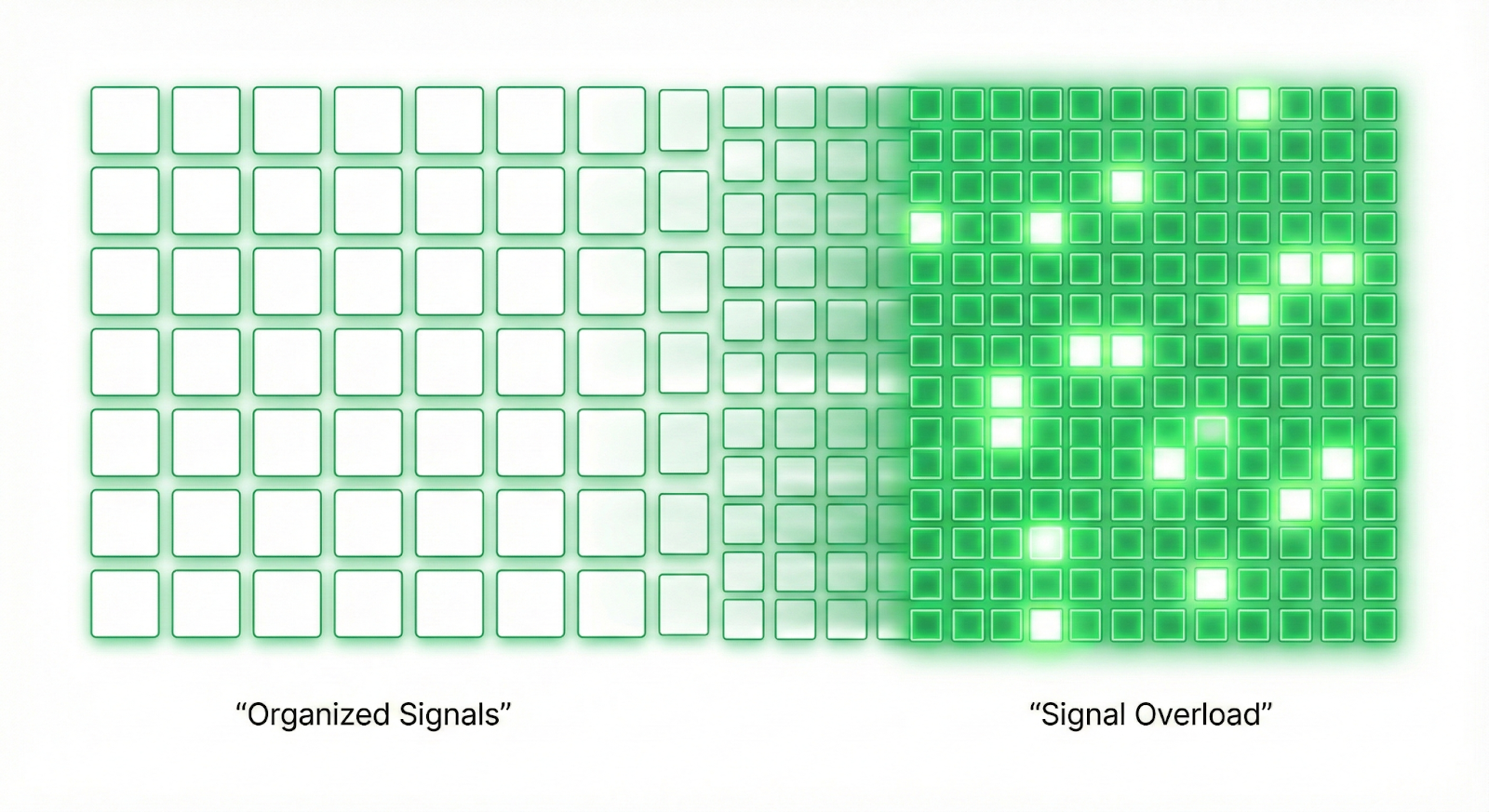
Tools addition makes inventory messy
Present-day enterprises keep adding more assets. There are always new apps, domains, microservices, and APIs. Old ones rarely get retired but are forgotten. With multiple security tools, each one shows a different asset inventory. One might say you have 9,000 assets, another says 11,000. Teams often don’t know exactly what digital assets they have, and poor asset visibility wastes IT and security resources. Moreover, most tools only tell you what’s broken. They rarely explain how much it matters.
A scanner can’t tell whether a vulnerable asset supports your payment flow or is just sitting idle. A cloud tool doesn’t know if a server has an open port to the internet or is safely inside a dedicated network. A SAST alert won’t show if the code is just a low-level internal script or part of a main product.
So, by default, it all feels pressing. When everything is marked as a priority, nothing really is. In the end, teams just fix whatever comes up first, rather than focusing on issues that could cause real harm.
Every tool speaks its own language
Each tool uses its own language, logic, and dashboard. They don’t work well together, which causes major problems for enterprises. One scanner might call something critical, while another says it’s only medium. So which one is right? This mismatch leads to misunderstanding and a real gap in visibility. Leaders think the team has the data they need, but the team doesn’t trust the data. When tools don’t speak the same language, there’s no unified, prioritized list.
Manual triage kills visibility
When the team faces thousands of findings, they end up sorting them manually. One issue goes into Excel, another is pasted in Slack, a third is put in a ticketing tool, some updates happen by email, and some never get updated at all. Everything gets scattered.
The more manual work there is, the faster visibility drops. There’s no clear picture in one place, and teams spend a lot of time just finding the right information. The same thing happens in current businesses: a flood of discoveries leads to alert fatigue, and teams spend too much time connecting data instead of fixing problems. When security teams work like this, there’s no clarity - just noise and reduced security visibility.
Many teams mistakenly assume their security tools will keep up as their enterprises grow. However, the business keeps moving forward: new features roll out, new apps go live, and new cloud regions are added. Meanwhile, security tools take time to set up; they need modifications and integration and rarely work instantly. As a result, teams are constantly lagging. By the time a tool is ready, the environment has already changed and visibility is lost.
What real visibility looks like
Real visibility isn’t about adding more tools. It’s about connecting what you already have. A single place where you clearly define: the assets that you actually possess, exposures that are significant at present, duplicates in findings, vulnerabilities that have a real business impact, who owns the fix, and finally speed of issue resolution. You lose security visibility when cybersecurity tools operate in isolation. You obtain complete visibility when security tools are integrated and work together.
What do you need to do?
Set up a single source of truth
Each tool gives its own view, but decisions should be made in one place. Whether you have 5 scanners or 50, the final picture should come from a single, consolidated platform. Scattered data won’t give you clarity.
Prioritize context
Raw detection only tells half the story. Real value comes from knowing where the issue is, which asset it affects, and how serious the impact could be. This helps you set priorities. Context lacking prioritization is just guesswork.
Clearly define the role of tools
No single tool can do everything. Decide what each solution should handle. For example, use one for asset discovery, another for vulnerability analysis, and a third for workflow and issue tracking. When everyone knows each tool’s role, the team knows which one to use for each task.
Focus on signal quality, not tool count
One good tool is much better than hundreds of noisy ones. You’ll have better visibility, even if just one scanner gives clear, business-focused signals.
Enterprises are starting to change. Teams are tired of scattered dashboards and are moving toward platforms such as continuous threat exposure management (CTEM), which offer consolidated visibility, context, and the full exposure lifecycle in a single place. Gartner predicts that by 2026, companies using CTEM will be three times less likely to suffer a breach. If you don’t have an integrated platform like CTEM, it’s time to rethink your security strategy.