Ashwini has been running Kaara for long enough to know what a wrong bet feels like. He has made several. He no longer calls them failures.
What he carried out of those years was not a pivot strategy. It was something simpler: stay honest to the basics, follow the business case, and never fall in love with the idea.
The firm today has 220 people. It is growing while TCS and Oracle are cutting. Three months after Kaara.Code went public, JPMC called. He came back from that meeting thinking about a question he had not asked before: how do you give sixty-five thousand engineers the right blueprint and memory for their enterprise development journey? He has a clear position on what is happening in his industry, and it is more contrarian than most people in it are willing to say out loud.
This is that conversation.
Kaara has been through significant reinvention. What was the moment you found the clarity that formed what it is today?
We realized the shift in late 2024. The foundational models were getting better, our conversations with customers began to shift, Gen AI adoption took center stage, and soon the conversation moved to Agentic AI use cases and adoption. At the same time, we had started using AI inside our own delivery, in how we write code. There was real internal friction about it, and that friction turned out to be the most useful thing that happened to us.
The more we used AI, the deeper our conviction grew in the importance of context and memory for the proper adoption of Agentic workflows.
That was the moment it dawned upon us: if we wanted to help our customers realize what this shift makes possible, we had to change how we deliver before we asked them to change anything. That’s how the concept of Compounding Build started to take shape.
Before Kaara became what it is today, you tried Social, Edtech, Logistics, and Analytics. What did those experiences teach you about developing something that lasts?
We failed in all of those. None of them became what we hoped. I have moved on, and so has Kaara. We have stopped calling it failure. It was a learning experience, albeit a costly one. Costly enough to be worth remembering. Here is what I took from it.
Never ever fall in love with the idea. Follow the business case: why is it needed, who is going to use it, and how does it make their life better? Ideas are not enough. The discipline of execution, staying close enough to the ground, being able and willing to argue against your own plans, that is what actually matters. Cash flow is one of the most important aspects of any business, and founders often ignore it. The wrong culture can kill great ideas, and no execution SOP can save it.
What I learned is that building something that lasts is actually a lot simpler than most of us think. Today, I try to be honest in what I do, why I do it, who I do it with, and how I do it. Staying honest to the basics is something that I have started to value a lot.
The IT services industry is experiencing its most significant disruption in 30 years. TCS. Oracle. Major cuts. Kaara is still growing. How do you read the current situation?
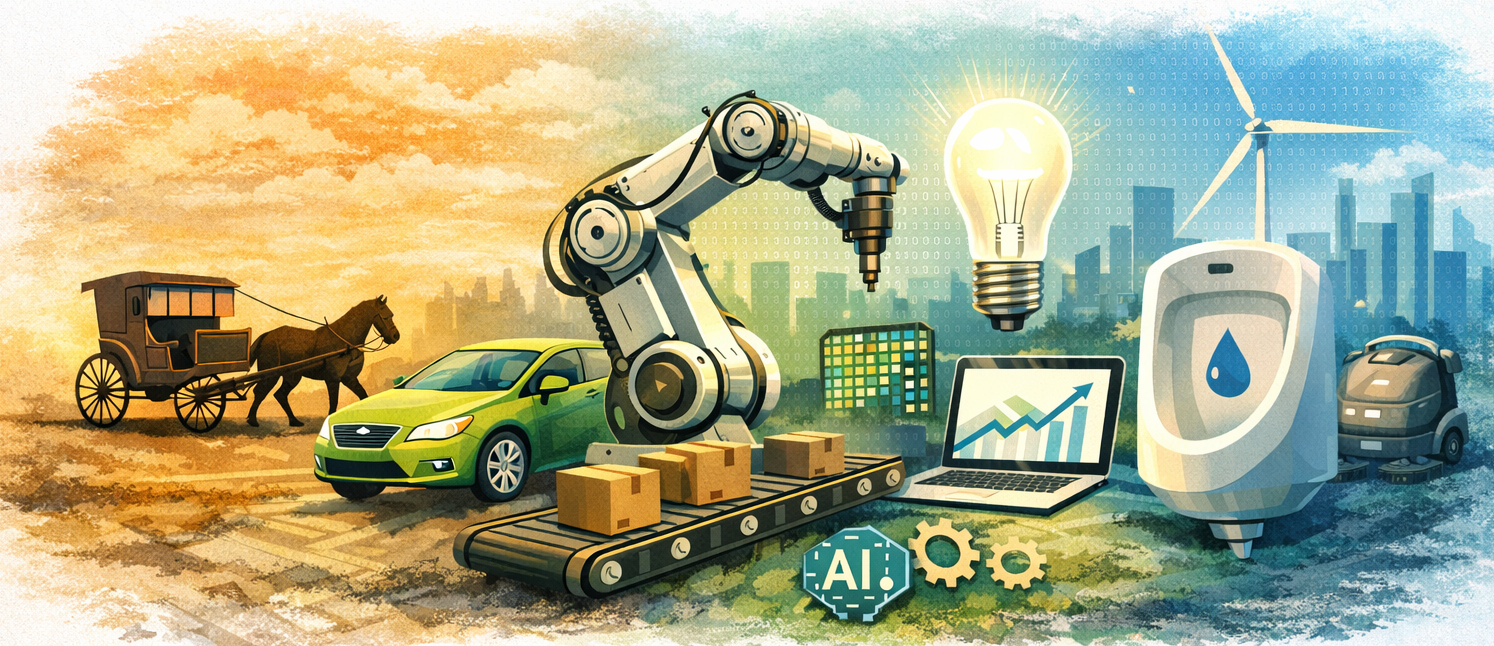
Our industry is seeing one of the most challenging times in the last 30 years; it was bound to happen sooner or later. AI has not caused it; it just brought it to the surface. This is the unwinding of a pricing model that remained unchanged for 3 decades, the confusion about AI’s value, and enterprises hiding their past decisions in the guise of AI productivity. I am not sure which one is contributing how much. One thing I am 100% certain of is that it’s not machines replacing humans.
It is a mismatch between how the industry has long created value and how value should be created now. We are a small firm, from whichever lens you look at - an IT services company of 220 odd people is a small company, and there are always opportunities for companies our size, no matter the market sentiments. We also made a few bets early, which are paying well. And that’s where the opportunities are: we have to reimagine how we deliver value to our customers, enable our team, and move them up. The days of the business model that assumed scale would always equal growth are long gone, but that’s also where the real opportunities lie.
Kaara.Code was recognized at JPMC's Technology Innovation Forum. What did you learn from that experience?
It has been around three months since we started talking about Kaara. Code and Compounding Build publicly. It was a pleasant surprise to receive a call from JPMC to present under the Modern Engineering Practice track.
The heartening part was understanding what they are doing internally. The context engineering work they are attempting is what Kaara.Code provides systematically. Before meeting them, we didn't realize how important it was to answer the question of scale. JPMC has a tech team of more than sixty-five thousand people. We came back thinking about how we can give each of them the right blueprint and memory for their enterprise development journey. That question changed the size of what we were building.
You have written that people building software matter more in the AI age, not less. That is a contrarian position right now. What gives you the confidence to hold it?
The common assumption is that as AI gets better at writing code, the people who write it matter less. I believe the opposite. My confidence comes from seeing the way Kaara functions today.
It's true that most developers haven't written a single line of code in months. But coding is not the only aspect of building software.
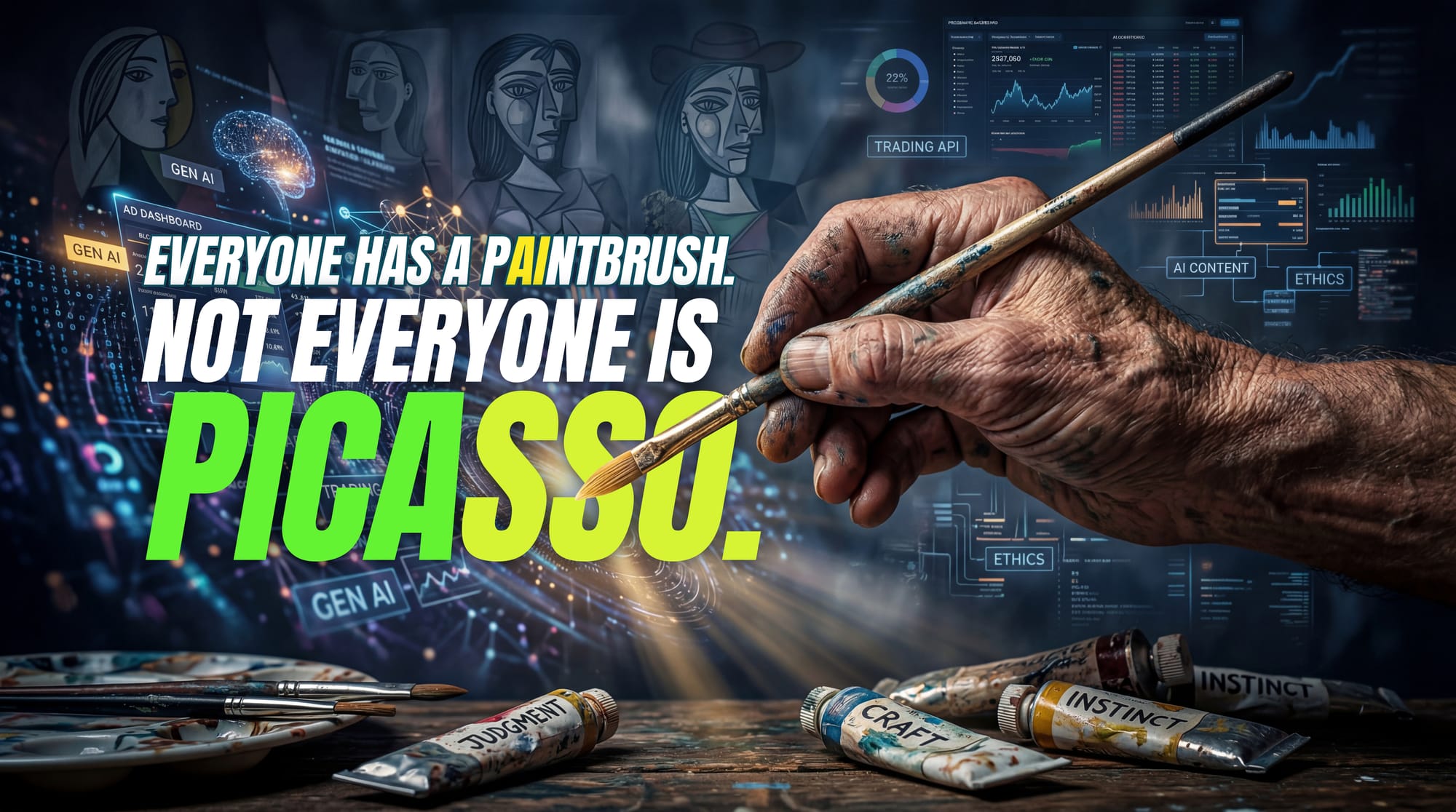
Knowing what is being built, why it is being built, end-user personas, context, compliance, guardrails- all of that has become much more important than before. The role of developers and builders has become more important too, but it moves upstream. It moves to judgment, knowing what to build, which trade-offs to encode, which constraints are real, and what 'done' actually means for a business user.
Furthermore, we are now solving problems that were hitherto unsolvable. The more we build, the more we grow, and the more work there is for everyone. We need to move into this cycle fast.
What is the one thing most companies miss when they move into AI, and why does it keep happening?
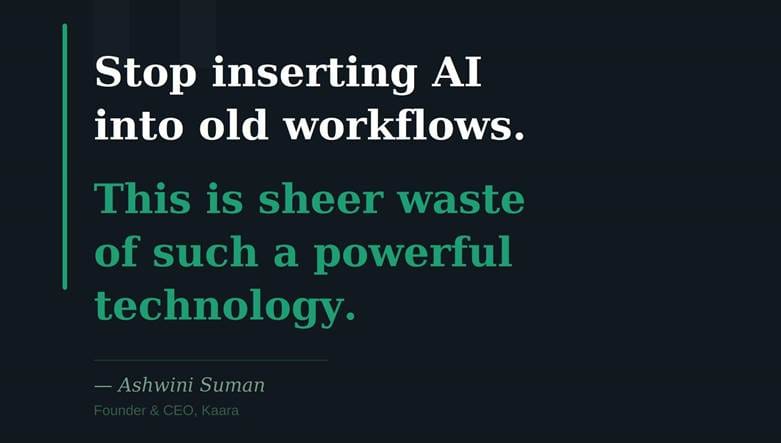
Stop inserting AI into old workflows. This is a sheer waste of such a powerful technology, and a lot of us keep taking the easier path.
The easier path is to retrofit AI into existing ways of functioning. What is actually required is to reimagine the work itself from the ground up. The way enterprise services are delivered needs to be completely reimagined. The roles of developers and everyone involved have changed; that does not mean they are going away. It is changing, that is it.
The best part: almost everyone I speak to is realizing this now and ensuring reimagination of workflows in almost every new project implementation.
My simple view is this: The winning companies will be the ones that redesign work, rebuild governance, make AI part of the business's daily operating rhythm, and do it fast.